Cannhost Jewelry Cannhost Jewelry

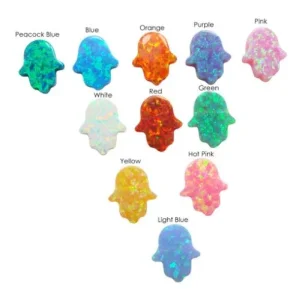
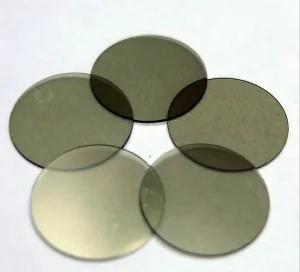
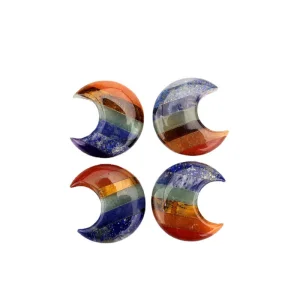
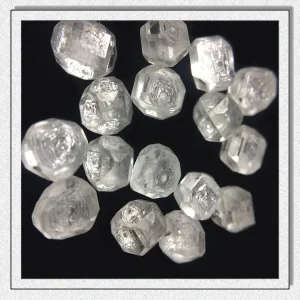
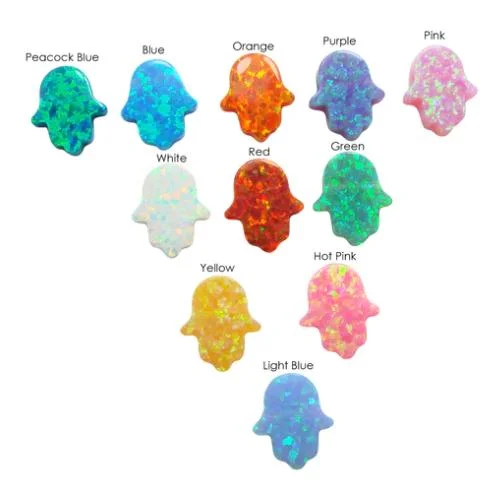
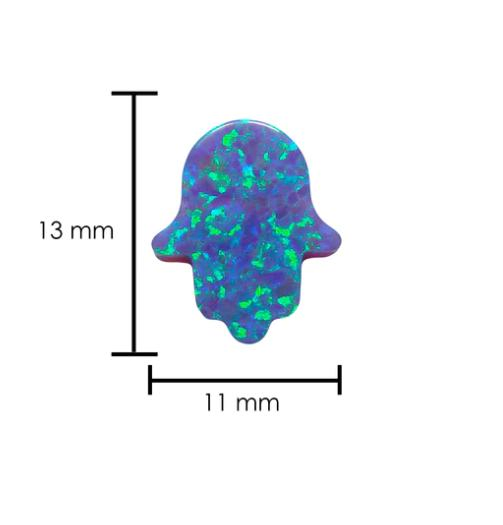
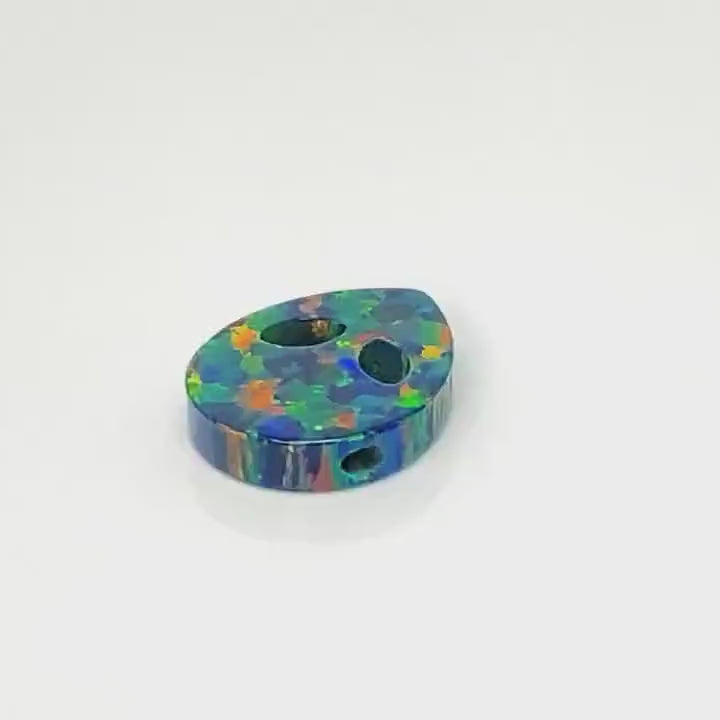
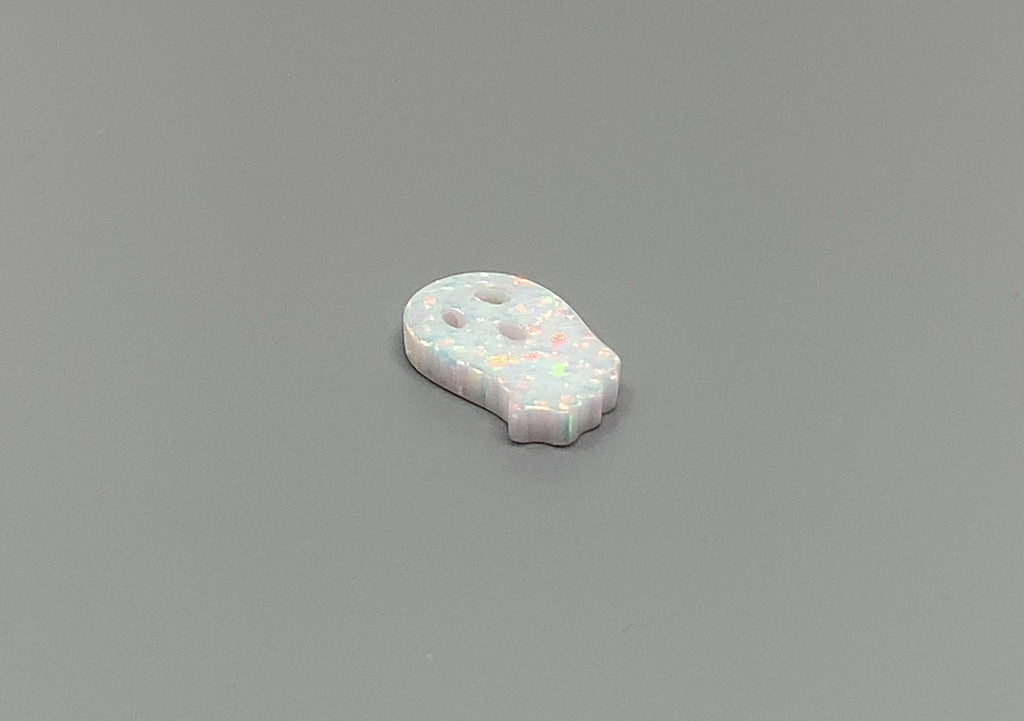
Palm Round Shape Blue Green Opal Tooth Crystals for Adhesive Glue Kit

Customization: Available
Classification: Opal
Type: Beads

Product Description

📋 Basic Information
Color
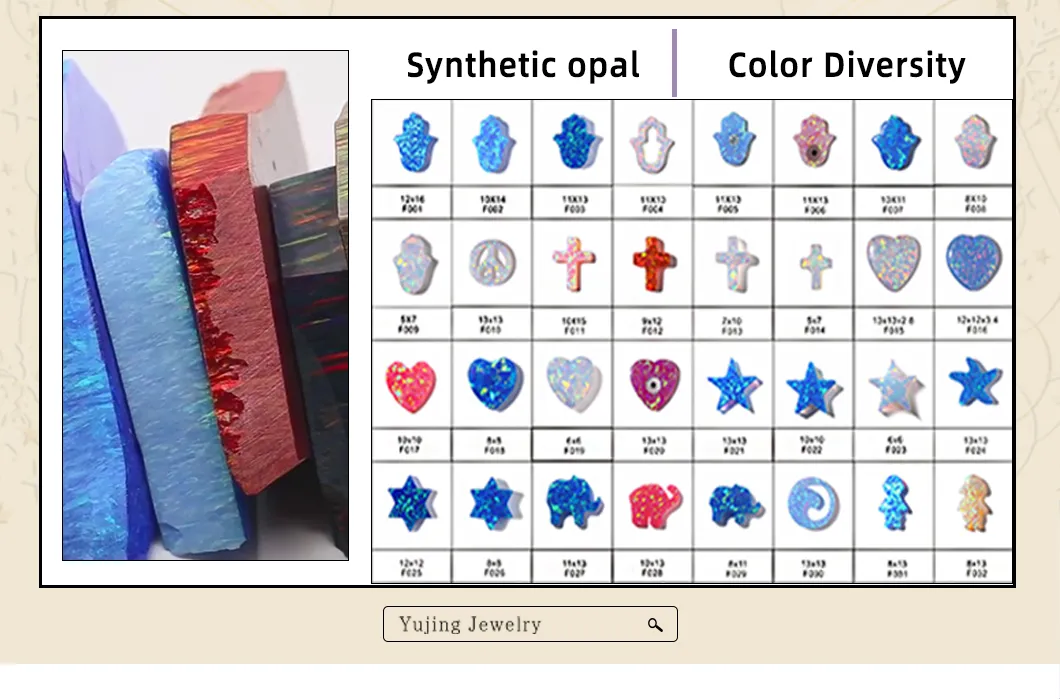
Red, Blue, Green, Yellow, Transparent
Grade
High
Style
European and American
Suitable for
Unisex
Package
OPP
Specification
Customization
Capacity
100,000,000
💎 Product Description

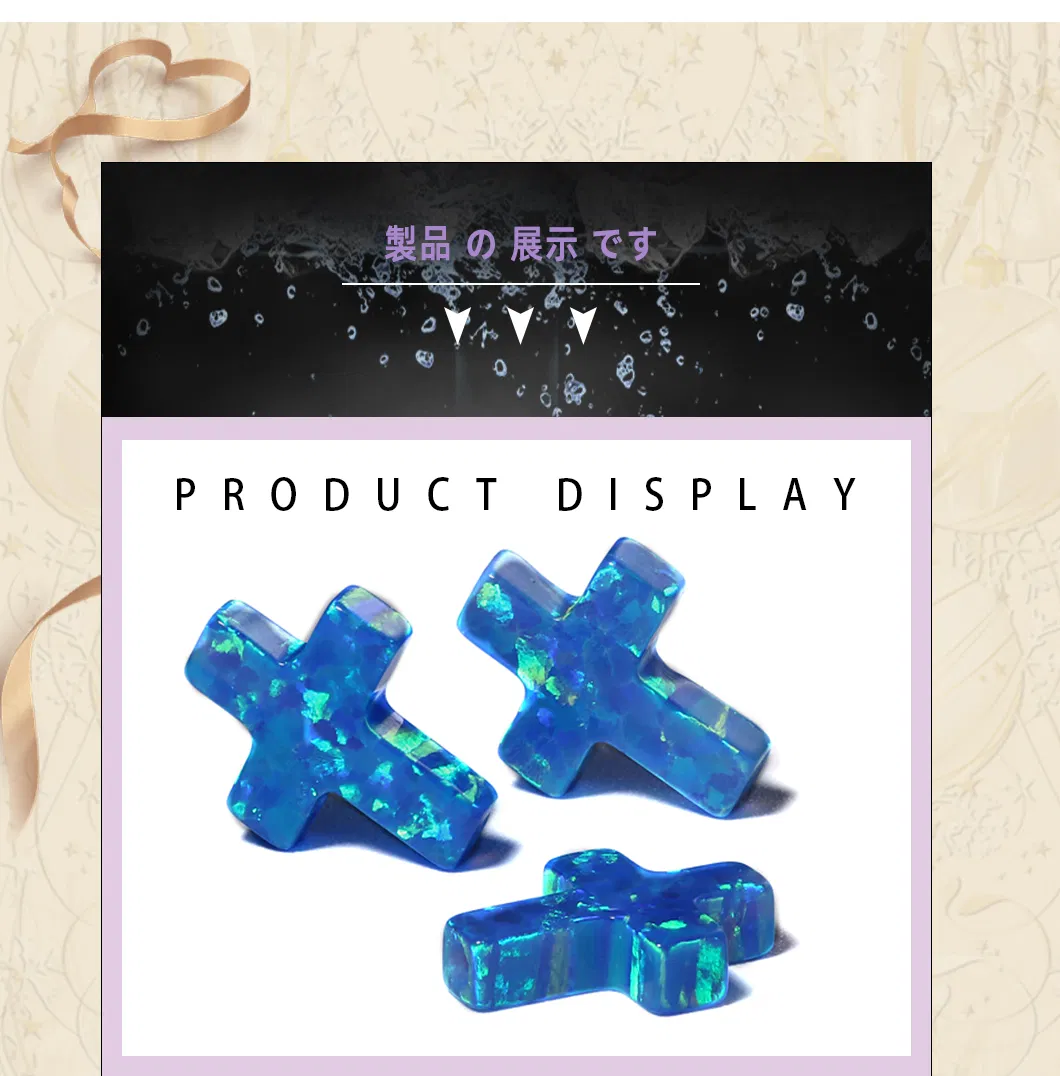
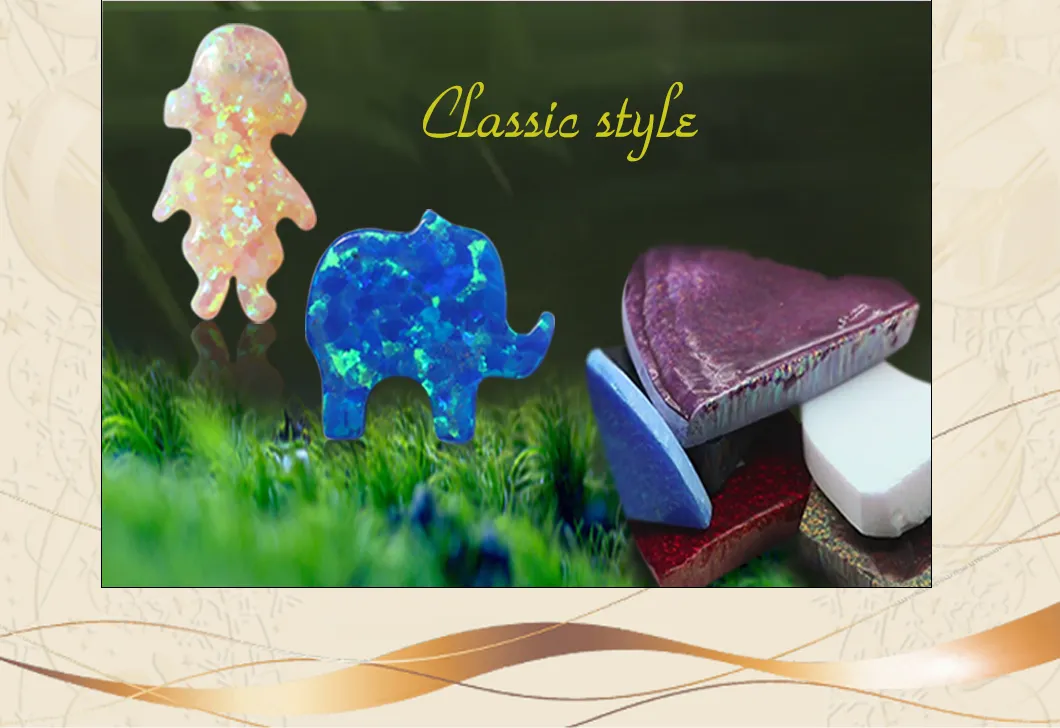
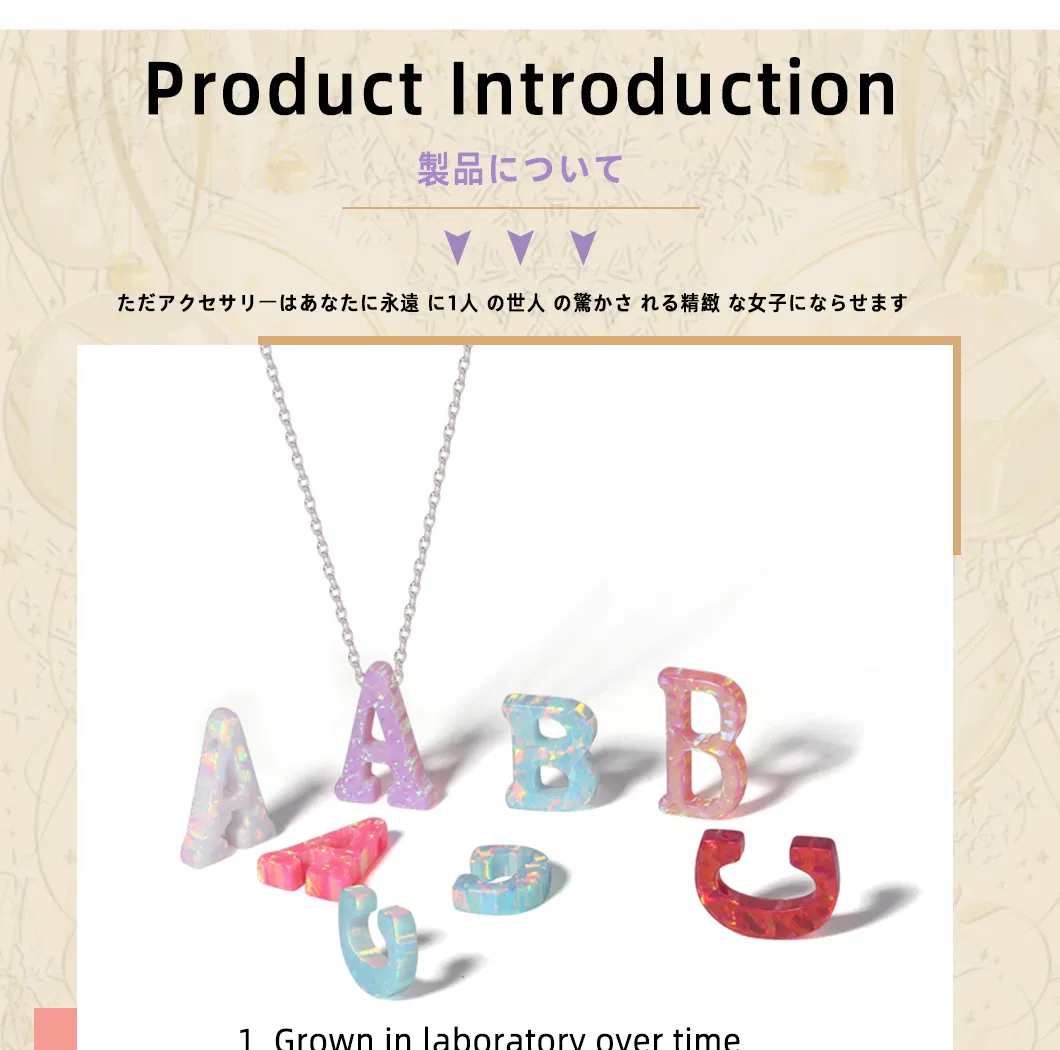
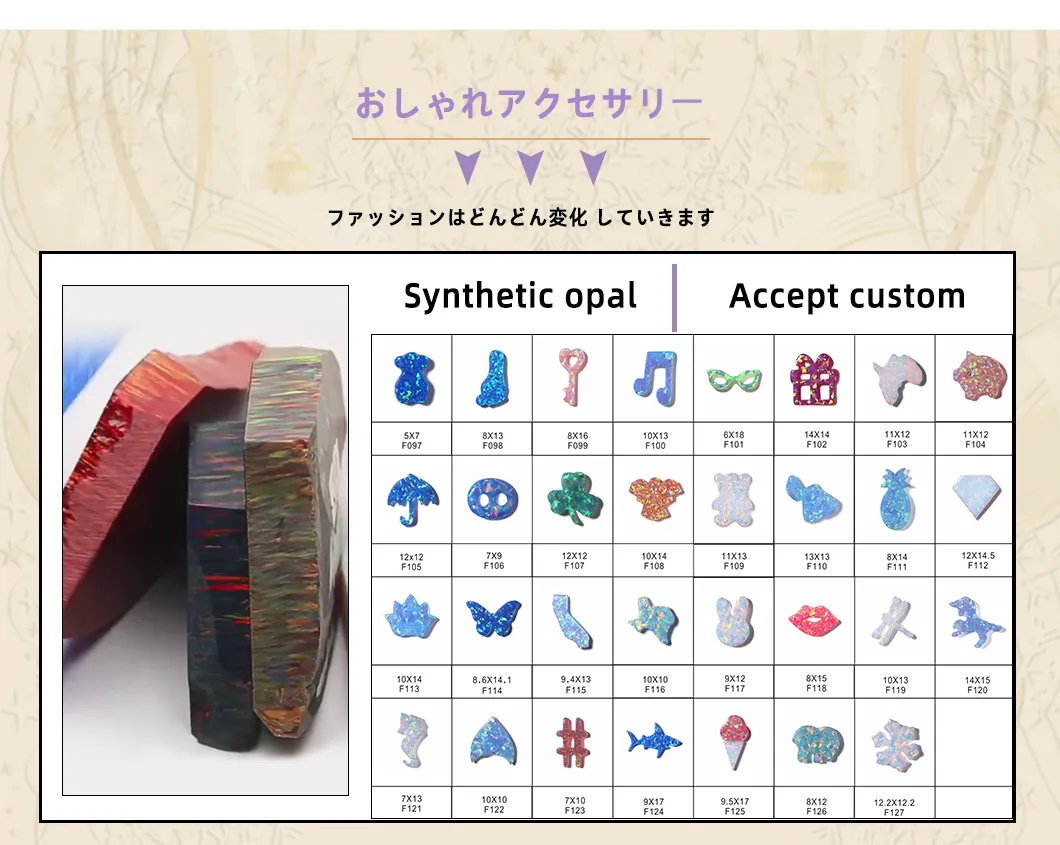
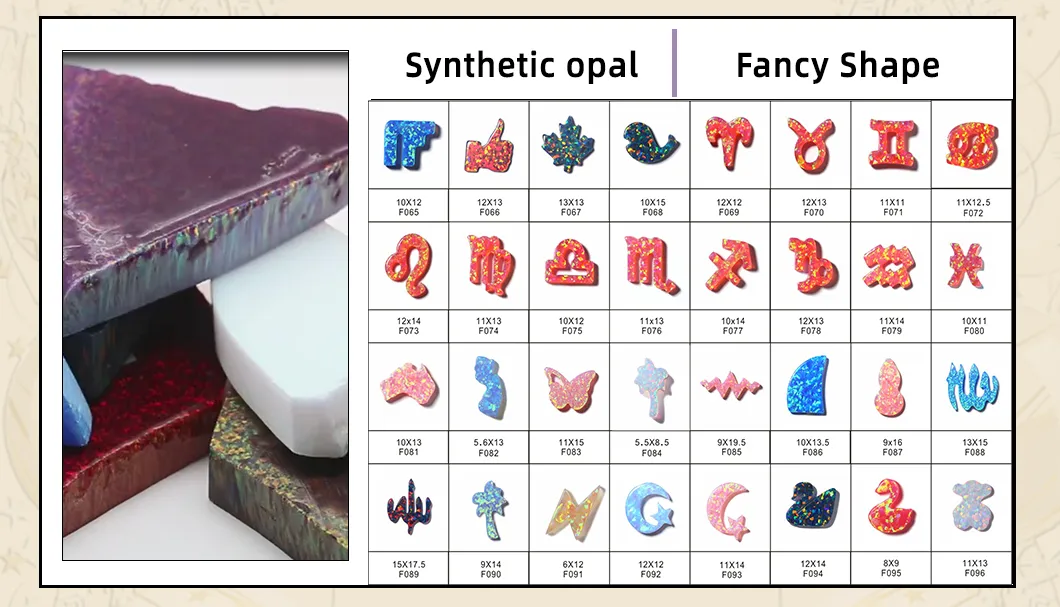
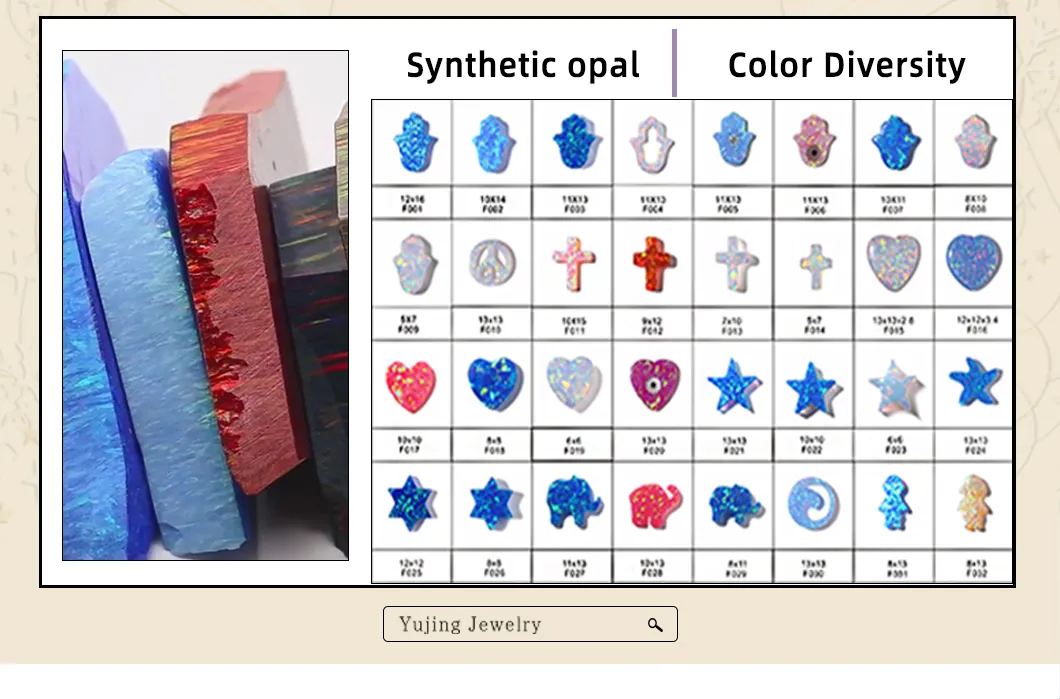
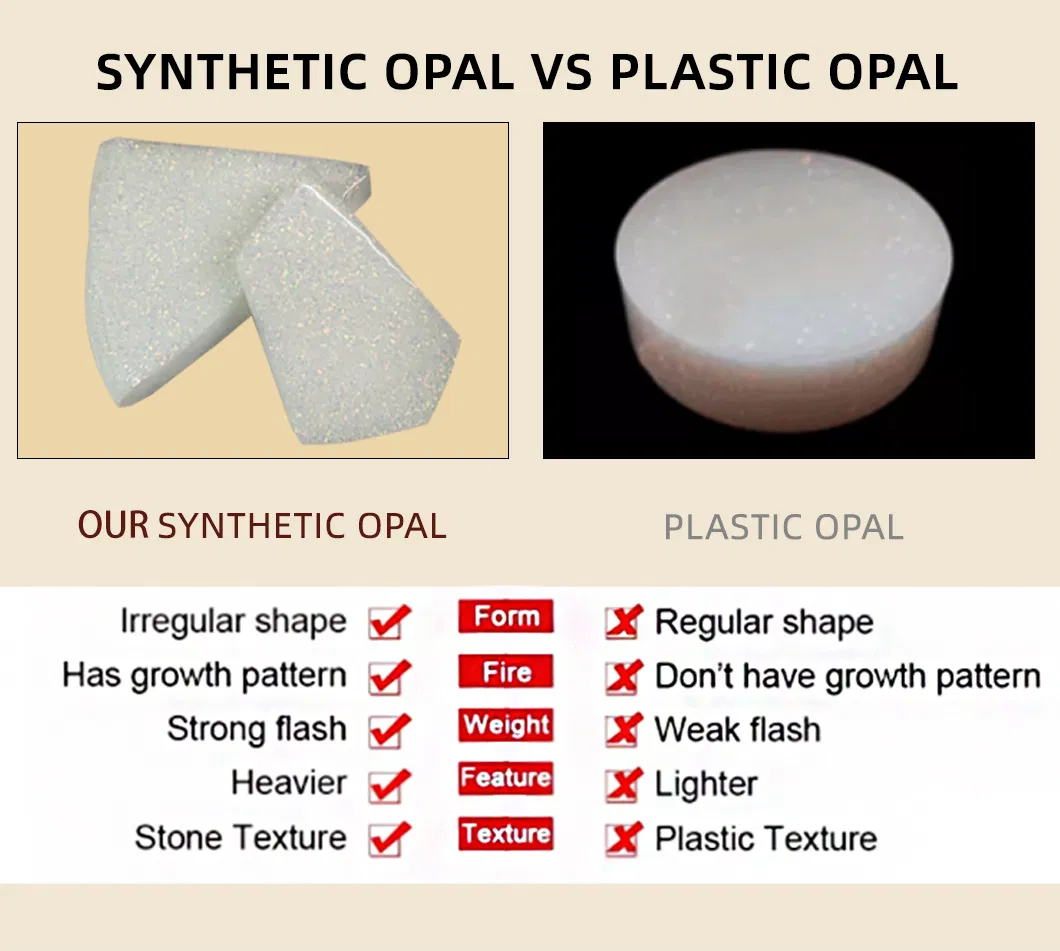
Synthetic Opal is composed by 80% silica & 20% resin. It is available in 57 colors ranging from White, Red, Yellow, Green, Blue, and Purple Series. Can be cut into various thicknesses and shapes as the rough opal is ideal for cutting (e.g., cabochon, doublet, triplet, and can be carved with excellent effect, high yield). It is widely used in different product markets such as silver and body jewelry, watches, cosmetics, household, and other accessories.

🚀 Key Advantages
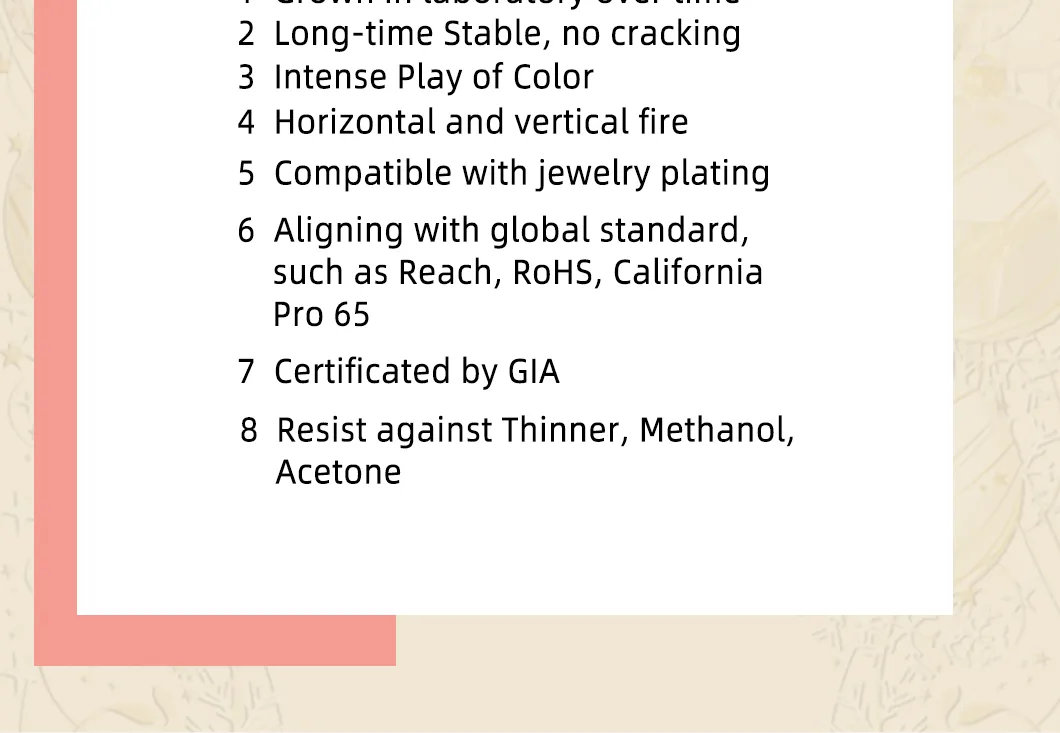
  • Long-time Stable, No Cracking, Crazing or Yellowing
  • Without Inclusions, Cracks or Host Rock (Matrix)
  • Affordable Price Point
  • No Blind Spots without Play-of-Color
  • Intense Play-of-Color Display
  • No Special Care Required for Maintenance
  • Easy Processing for Wide Range of Applications
  • Large Objects Producible from a Single Piece
  • Ideal for Carving, Slicing, Cutting and Machine Processing
  • Directional Pattern of Play-of-Color
🔬 Technical Properties
Hardness (Mohs)4
PorosityNon-Porous
TransparencyTranslucent & Opaque
Index of Refraction (RI)1.46 - 1.47 (Translucent), 1.47-1.49 (Opaque)
Specific Gravity1.88 - 1.92 g/cm3
Temperature ResistanceUp to 140°C
Composition82% SiO2 + 18% Resin
📸 Product Showcase
❓ Frequently Asked Questions
What is the composition of your synthetic opal?
Our synthetic opal is high-quality laboratory-grown material composed of approximately 80-82% silica (SiO2) and 18-20% resin.
Does synthetic opal crack or change color over time?
No, our synthetic opal is highly stable. It is designed to resist cracking, crazing, or yellowing, even after long-term use.
Can these opals be used for custom carving and jewelry?
Absolutely. The material is ideal for carving, slicing, and machine processing. It yields excellent results for cabochons, doublets, and intricate designs.
What temperatures can the material withstand?
Our synthetic opal has a temperature resistance of up to 140°C, making it suitable for various manufacturing processes.
Are there any inclusions or natural matrix rocks in the material?
No, the lab-grown process ensures a pure material without inclusions, cracks, or host rock (matrix), providing a consistent play-of-color.
Is special care required for synthetic opal jewelry?
Unlike natural opals which can be sensitive to dehydration, our resin-stabilized synthetic opals require no special care and are durable for daily wear.

Related Products