Why Are Some Crystals Sensitive to Sunlight?

Time:2026-09-12 Author:Oliver
0%

Why are some crystals sensitive to sunlight? The answer begins with chemistry, not mystery. Certain crystals contain color centers, trace elements, or structural defects that react to ultraviolet radiation. Light can alter these features. The visible result may be fading, darkening, or a gradual change in transparency.

Kunzite offers a clear example. Its pink color can weaken after long exposure near a bright window. Amethyst may also respond to intense light, especially when heat is present. However, not every crystal changes easily. Composition, origin, cut, temperature, and exposure time all matter. A few hours of sunlight may cause little damage. Months of daily exposure can create a noticeable difference.

Mineralogist George R. Rossman has explained, “A mineral’s color is not necessarily an intrinsic property.” That warning gives this topic scientific value. Color may depend on unstable electronic conditions inside the crystal. The process can be invisible at first. Then the surface looks slightly dull, or the original pink appears thinner.

This article explores Why are some crystals sensitive to sunlight through mineral chemistry and practical observation. It will examine ultraviolet energy, color centers, and examples from jewelry and collections. It will also separate documented behavior from exaggerated online claims. That distinction matters.

A simple test is imperfect. Photograph a crystal before exposure, then compare it under the same light. Keep temperature consistent. Avoid assuming every color change comes from sunlight. Heat, moisture, cleaning chemicals, and surface coatings can interfere. The evidence may not always be obvious, but careful observation improves reliability.
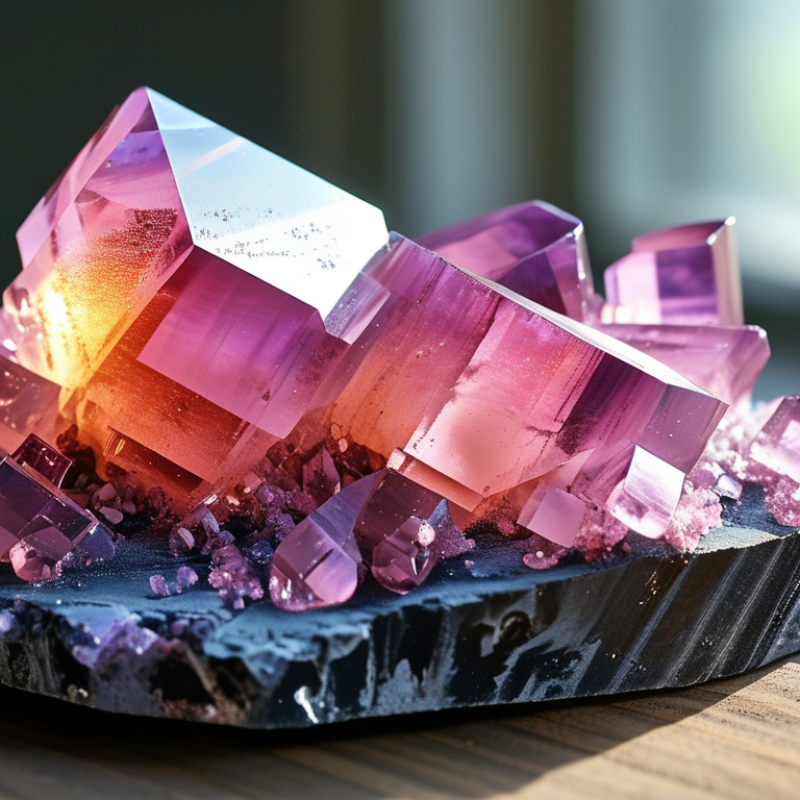
Why Are Some Crystals Sensitive to Sunlight?

What Sunlight Sensitivity Means in Crystals

Sunlight sensitivity means a crystal may change when exposed to light, heat, or ultraviolet radiation. The change can involve fading, darkening, or surface damage. It does not mean the crystal is unsafe to touch.

Gemological Institute of America guidance identifies amethyst and kunzite as stones vulnerable to prolonged, intense light. Their colors may weaken gradually, especially near a bright window.

NREL solar-resource data uses 1,000 watts per square meter as a standard reference for strong sunlight. A crystal left on a windowsill can receive repeated exposure for months. That quiet exposure matters.

The risk depends on mineral chemistry, natural color, treatments, and exposure time. Amethyst may lose purple intensity. Some fluorite specimens can also fade under strong light. Heat adds another concern. Sudden temperature changes may enlarge tiny internal fractures.

Store sensitive crystals in a shaded drawer, away from radiators and hot glass.

Short viewing periods are usually less concerning than permanent display.

The easy mistake is treating every color shift as damage. Some changes may reflect lighting, dust, or camera settings. Compare the stone under neutral indoor light before judging it.

“Keep away from sunlight” lacks useful detail unless it explains duration, intensity, and the crystal’s identity.

I would also question vague care advice. GIA gemstone-care references and laboratory testing remain more reliable than casual display claims.

How Light Interacts with a Crystal’s Internal Structure

Why Are Some Crystals Sensitive to Sunlight?

Light interacts with a crystal’s internal structure in several precise ways. Its atoms form a repeating lattice, but the pattern is rarely perfect. Tiny gaps, impurities, and displaced atoms can absorb specific wavelengths. When sunlight enters a crystal, photons may raise electrons into higher energy states. The crystal can then appear colored, pale, or fluorescent. Short-wave ultraviolet light carries more energy than visible light, so it often causes stronger changes.

A crystal’s color is not always permanent. In some purple quartz, prolonged ultraviolet exposure may weaken the color centers that create its appearance. Other minerals contain defects that trap light energy and slowly alter their absorption patterns. Heat adds another risk. A warm crystal may expand unevenly, especially across internal fractures. I once treated transparency as a sign of stability. That assumption was too simple. Clear surfaces can still hide sensitive internal defects.

A practical observation needs patience. Photograph the crystal under the same lighting before and after exposure. Keep one sample in darkness as a comparison. Avoid placing a specimen against hot glass, because temperature may change the result. Experts also examine its crystal structure, chemical composition, and exposure history before making a judgment. Sunlight is not a single force. Its effect depends on wavelength, duration, temperature, and the mineral’s microscopic imperfections. Even careful observations can remain incomplete.

Why Are Some Crystals Sensitive to Sunlight? — How Light Interacts with a Crystal’s Internal Structure

Sunlight sensitivity depends on a crystal’s chemical impurities, defects, color centers, crystal structure, and exposure conditions. Responses may vary between individual specimens.
Crystal Relevant Internal Feature How Light Interacts with the Structure Relative Sunlight Sensitivity Typical Visible Response Practical Care
Amethyst Quartz containing iron-related impurities and radiation-produced color centers. Ultraviolet and visible light can alter or bleach some of the color centers responsible for the purple color. Moderate Prolonged, intense exposure may gradually reduce the purple color, especially in lighter or more vulnerable specimens. Display away from strong direct sunlight for long periods; avoid combining intense light with high heat.
Rose Quartz Quartz colored by trace elements and microscopic structural inclusions. Extended exposure to strong light and heat may affect the color-producing centers or inclusions. Moderate The pink color can become less intense in some specimens after prolonged exposure. Use indirect light for display and avoid hot window ledges.
Kunzite Spodumene with manganese-related color centers that produce pink to lilac hues. Light energy can alter the manganese-related color centers, while heat may accelerate color change. High Pink or lilac tones may fade with prolonged direct sunlight or strong heat. Store in a dark, cool place when not being worn or displayed.
Fluorite Calcium fluoride with lattice defects and trace elements that influence color. Ultraviolet radiation can modify color centers and defect-related electronic states in the lattice. Moderate Some purple, green, blue, or yellow specimens may fade after extended exposure. Limit direct sunlight, particularly for strongly colored transparent specimens.
Realgar Arsenic sulfide with a light-sensitive crystal structure. Light promotes a chemical transformation from red-orange realgar toward yellow pararealgar. High The surface may become increasingly yellow and lose its original red-orange appearance. Keep in darkness or very low light; handle carefully and avoid creating dust because arsenic minerals are toxic.
Hackmanite Sodalite containing sulfur-related defects that act as reversible color centers. Ultraviolet light fills electronic traps and produces a temporary color change; visible light can reverse it. High, but reversible Usually pale or gray before UV exposure, it can become pink, purple, or violet and then gradually fade in ordinary light. Protect from unnecessary UV exposure if the original color is preferred; the effect is a form of photochromism.
Calcite Calcium carbonate with variable trace impurities and defect sites. Some impurities absorb UV energy and emit visible fluorescence; strong daylight can overwhelm this weaker emission. Low for color stability Fluorescence may be difficult to see in sunlight, but the crystal’s base color is generally not rapidly altered by ordinary exposure. View fluorescent specimens under suitable UV illumination in a controlled, darker environment.
Diamond A tightly bonded carbon lattice with possible impurity atoms and lattice defects. Some defects absorb UV or blue light and re-emit part of the energy as fluorescence; the effect does not normally change the crystal permanently. Low Some specimens fluoresce blue, yellow, or another color under UV; the visible effect usually disappears when the UV source is removed. Normal sunlight is generally safe, but avoid extreme heat and sudden temperature changes in damaged or included specimens.
Selenite A transparent variety of gypsum with water molecules incorporated into its crystal structure. Light is not usually the main cause of damage; heat and humidity can affect the hydrated structure and surface. Low to light; moderate to environment Direct sunlight may warm and dry the specimen, potentially contributing to surface dulling or physical fragility over time. Keep cool and dry, avoid prolonged direct sunlight, and do not immerse in water.
Smoky Quartz Quartz containing radiation-induced color centers associated with aluminum impurities. Strong heating can erase or modify the color centers; ordinary sunlight is usually less influential than high temperature. Low to moderate Color is generally stable under normal indoor light, but heating can lighten or change the smoky tone. Avoid intense heat and prolonged placement behind hot glass, even when sunlight alone is unlikely to cause rapid fading.

Why Some Crystals Fade, Darken, or Change Color

Why Are Some Crystals Sensitive to Sunlight?

Why Some Crystals Fade, Darken, or Change Color

Sunlight can slowly alter a crystal’s appearance, especially through ultraviolet radiation. UV energy may break down color-producing minerals or treated pigments. Amethyst can become paler after long exposure. Some fluorite varieties may fade unevenly. The change is real.

Heat can accelerate this process. A crystal resting on a sunny windowsill may become warm for hours each day. That heat can stress internal structures, while light affects sensitive color centers. Iron-rich minerals may also darken through oxidation. Moisture and air can make the reaction more noticeable.

Not every color change comes from sunlight alone. Some stones contain natural inclusions, surface coatings, or previous treatments. These details can respond differently to light, heat, and humidity. A gemologist can examine the stone with magnification and specialized testing. Home observation is useful, but it cannot confirm the cause.

Keep light-sensitive crystals in a shaded display area. Store them away from windows, heaters, and intense lamps. When cleaning, use a soft dry cloth unless a professional confirms water is safe. I once thought visible fading would take decades, but exposure varies greatly between specimens. That assumption needs caution. Even two crystals from the same mineral group may react differently because their chemistry and history are not identical. Photographing a crystal periodically can reveal gradual changes before memory becomes unreliable.

Which Crystal Types Are Most Vulnerable to Sunlight

Why Are Some Crystals Sensitive to Sunlight?

Which Crystal Types Are Most Vulnerable to Sunlight

Several crystal types can fade when exposed to strong sunlight, especially ultraviolet radiation. Amethyst is a familiar example. Its purple color may gradually weaken near a bright window. Rose quartz can also lose saturation, although the change is often slow. Fluorite is more vulnerable in many cases, with purple, green, or blue shades becoming noticeably paler. Kunzite deserves extra care. Its pink color can fade quickly under direct sunlight.

Some crystals react because light affects color-producing defects within their structure. Others contain trace elements that respond to prolonged heat and ultraviolet exposure. Celestite, smoky quartz, and certain varieties of calcite may also change appearance. Clear quartz usually tolerates sunlight better, but it can still become hot and create a fire hazard near flammable materials. Not every specimen behaves identically.

I have seen color changes appear first on exposed edges and polished surfaces. A shaded shelf is safer than a sunny windowsill. Store sensitive stones in a fabric pouch or closed drawer. Avoid leaving them in a car, where heat intensifies quickly. A few minutes of gentle morning light may not cause visible damage, but repeated exposure is difficult to measure at home. My observations are not laboratory tests. Mineral origin, treatment, inclusions, and color intensity can all affect durability. When uncertain, limit direct sunlight and photograph the crystal periodically for comparison.

Why Are Some Crystals Sensitive to Sunlight?

Relative sunlight-fading vulnerability of selected crystal types

Ultraviolet radiation and prolonged heat can alter or fade color centers and trace elements in some minerals. Kunzite, fluorite, and amethyst are generally more vulnerable to prolonged direct sunlight, while clear quartz, citrine, and topaz are typically more stable. The index is a comparative educational scale from 1 (lower vulnerability) to 10 (higher vulnerability), because fading depends on exposure time, UV intensity, temperature, and the individual specimen.

How to Protect Sun-Sensitive Crystals from Damage

Why Are Some Crystals Sensitive to Sunlight?

How to Protect Sun-Sensitive Crystals from Damage

Some crystals lose color after prolonged sunlight exposure. Amethyst, fluorite, rose quartz, and smoky quartz can be especially vulnerable. Ultraviolet radiation may alter their color centers. Heat can also stress crystals with internal fractures or natural inclusions. A bright windowsill is not always a safe display area.

Place sun-sensitive crystals in indirect light. Keep them away from south-facing windows and hot glass surfaces. Curtains can reduce exposure, but they may not block all ultraviolet radiation. A shaded cabinet offers better protection. For valuable specimens, use a case with UV-filtering material and stable room temperatures. Avoid moving a cold crystal directly into strong heat. Sudden changes can worsen existing cracks.

Check the crystal regularly under neutral lighting. Compare its color with an earlier photograph. This simple record can reveal gradual fading that your eyes might miss. Clean the surface with a soft, dry cloth unless a qualified care guide recommends otherwise. Avoid harsh chemicals, abrasive tools, and unnecessary water contact. Some stones tolerate moisture poorly.

I once assumed bright light made every crystal look better. That was careless. Display beauty should not outweigh preservation. Even indirect sunlight can become intense over months. When uncertain, choose shade and ask a qualified gemologist or mineral conservator for specific advice. Each specimen has different treatments, fractures, and stability concerns.

FAQS

What does sunlight sensitivity mean in crystals?

It means light, ultraviolet radiation, or heat may change a crystal’s color or surface. It is not unsafe to touch.

Which crystals may fade in strong sunlight?

Amethyst, kunzite, fluorite, rose quartz, and smoky quartz can be vulnerable. Their reactions vary between individual specimens.

How does a crystal fade?

Ultraviolet energy can weaken color-producing minerals or treated pigments. Purple amethyst may gradually become noticeably paler.

Can heat damage a sun-sensitive crystal?

Yes. Heat may stress internal fractures and inclusions. Sudden movement from a cold room into hot sunlight can worsen cracks.

Is a sunny windowsill safe for crystal display?

Usually, no. Repeated daily exposure can accumulate over several months, even when each individual afternoon seems harmless.

Where should sensitive crystals be stored?

Use a shaded cabinet or drawer away from windows, radiators, hot glass, and intense lamps. Stable room temperatures help.

How can I check whether a crystal has changed color?

Photograph it periodically under similar neutral lighting. Compare the images carefully. Memory alone is unreliable.

Does every color change prove sunlight damage?

No. Dust, reflections, camera settings, coatings, treatments, moisture, or natural chemistry may create different appearances.

How should a sensitive crystal be cleaned?

Wipe it gently with a soft, dry cloth. Avoid harsh chemicals, abrasive tools, and water unless suitable care is confirmed.

What should I do when the crystal’s stability is uncertain?

Choose shade instead of bright display. Ask a qualified specialist for specimen-specific advice, especially when fractures or treatments are visible.

Conclusion

Why are some crystals sensitive to sunlight? Their sensitivity comes from the way light interacts with their internal structure and chemical composition. Sunlight contains ultraviolet radiation and heat, which can affect color-producing elements, microscopic inclusions, or unstable surface layers within certain minerals. Over time, this exposure may cause a crystal to fade, darken, become cloudy, or shift to a different color. The change can happen gradually or more quickly, depending on the crystal’s natural properties, the strength of the light, and the length of exposure.

Crystals with delicate pigments, porous structures, or light-reactive compounds are generally more vulnerable than clear, stable varieties. To protect sun-sensitive crystals, keep them away from direct sunlight, especially near windows, and store them in a cool, shaded place when they are not being used. Soft wrapping or a lined container can also reduce heat, dust, and accidental surface damage. Gentle handling and occasional inspection help preserve their appearance and structure for a longer time.

Oliver

Oliver

Oliver is a seasoned marketing professional with a wealth of expertise in driving brand awareness and engagement. With a deep understanding of our company's product offerings, he consistently delivers high-quality content that enriches our professional blog. His insights not only shed light on......