China Top 10 Gemstone Suppliers What Are Ethical Concerns?

Time:2026-10-12 Author:Isabella
0%

China’s top gemstone suppliers serve a complex market, from wholesale districts in Guangzhou to cutting workshops in Shenzhen. Their products may include rubies, sapphires, jade, tourmaline, and other colored stones. Yet appearance alone cannot prove responsible sourcing. Buyers need evidence about origin, labor conditions, environmental controls, and payment practices.

What are the ethical concerns with mined gemstones? The major concerns include child labor, dangerous pits, unfair wages, land displacement, and water pollution. The International Labour Organization has estimated that about one million children work in mining and quarrying worldwide. The figure shows why supplier checks must go beyond polished product photographs. The OECD Due Diligence Guidance recommends risk-based checks across mineral supply chains. It emphasizes traceability, grievance systems, and documented responses to abuses. However, traceability remains difficult for many colored gemstones. The Kimberley Process addresses rough diamonds, not every gemstone traded internationally. This distinction matters.

Industry reports also reveal a less comfortable truth. The Responsible Jewellery Council promotes chain-of-custody standards, but certification does not automatically guarantee perfect working conditions. Audits can miss informal mines, seasonal workers, or hidden subcontractors. A supplier may provide invoices without proving the stone’s exact mine. That weakness deserves careful attention.

This guide examines ten leading Chinese gemstone suppliers through an ethical lens. It considers public disclosures, sourcing policies, certifications, and practical buyer questions. Readers should request origin records, labor policies, environmental documentation, and independent audit results. No ranking can remove every uncertainty. Responsible purchasing requires verification, patience, and a willingness to reject attractive stones when evidence remains incomplete.
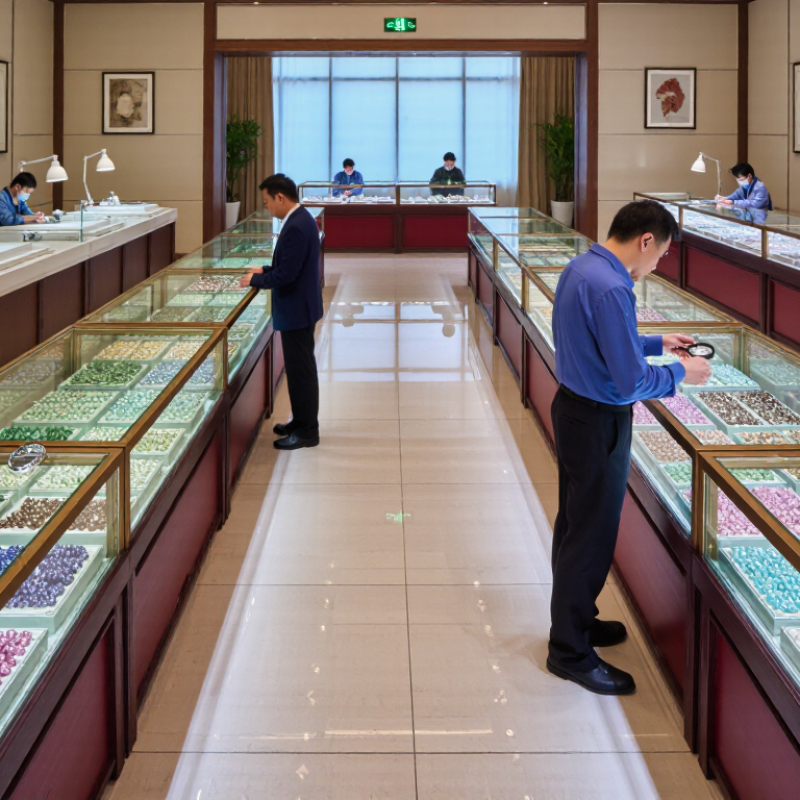
China Top 10 Gemstone Suppliers What Are Ethical Concerns?

What Defines a Leading Gemstone Supplier in China

A leading gemstone supplier in China is defined by more than attractive color, polished surfaces, or competitive prices. During a professional buying visit, a reliable supplier should explain each stone’s origin, treatment, weight, and grade in clear language. That explanation matters when a vivid blue gem may have been heated, dyed, or filled. Treatments are not automatically unethical, but hiding them weakens trust. Independent laboratory reports can support important claims, especially for valuable stones.

Ethical sourcing also requires practical evidence. A responsible supplier should maintain purchase records, screen trading partners, and avoid materials connected with conflict, forced labor, or illegal extraction. Factory visits can reveal whether workers use protective equipment, clean water, and controlled cutting spaces. Small details matter. Dust on a cutting table is not just untidy; it may signal a health risk. Environmental records should address water use, waste handling, and energy consumption rather than rely on broad promises.

Reliability appears in the difficult moments. Does the supplier correct an inaccurate certificate? Do staff admit uncertainty about a stone’s origin? I would treat honest hesitation better than confident guessing. Yet, documentation can still be incomplete, even among experienced exporters. Buyers should request current records, compare samples, and inspect goods before payment. A leading supplier is not flawless; it is transparent, responsive, and willing to improve when evidence exposes a weakness.

How China’s Top 10 Gemstone Suppliers Are Selected

China’s top 10 gemstone suppliers should be selected through evidence, not popularity or online rankings. A reliable review should examine mine origin, cutting location, worker protection, and environmental controls. The OECD Due Diligence Guidance recommends a five-step process, including risk identification, supplier assessment, and public reporting. These steps offer a practical screening framework.

Trade records can help, but they are not enough. The 2023 Global Slavery Index estimated that 50 million people lived in modern slavery worldwide. This figure shows why labor checks matter, even in polished stones and small workshops. Suppliers should provide dated invoices, origin declarations, wage records, and independent audit results. Site visits are useful. Photographs alone prove little. A transparent supplier should also explain rejected stones, wastewater treatment, and complaint channels. I would score traceability higher than shipment volume. Still, no scorecard is perfect.

Tips: Request three years of sourcing records. Compare mine claims with customs data. Ask who paid for the audit. Check whether workers can report problems safely. The World Bank notes that artisanal and small-scale mining supports millions of livelihoods, yet informal production can leave weak records. That does not automatically mean unethical conduct. It does mean buyers need deeper questions. A careful China supplier ranking should publish its scoring method, evidence dates, and unresolved gaps, rather than presenting a confident list without context.

China’s Top 10 Gemstone Suppliers: Ethical Selection Criteria

This illustrative screening model shows how gemstone suppliers can be evaluated without using company or brand data. The weighting reflects responsible-sourcing priorities drawn from OECD due diligence guidance, the UN Guiding Principles on Business and Human Rights, ILO standards, CITES, and the Kimberley Process.

The percentages are a transparent editorial weighting for supplier screening, not a ranking or performance score for any specific company.

Ethical Risks in Gemstone Mining, Sourcing, and Processing

China Top 10 Gemstone Suppliers: What Are the Ethical Concerns?

Gemstone ethics begin long before a stone reaches a Chinese supplier. Mining can disturb rivers, remove topsoil, and expose workers to dust or unsafe equipment. Small mines may lack formal safety systems. A polished stone can hide a difficult origin. Buyers should request the mining region, extraction method, and chain-of-custody records. These documents are useful, but they are not perfect proof. Independent checks still matter.

Processing creates another layer of risk. Cutting and polishing workshops may produce fine mineral dust and wastewater. Responsible facilities should provide ventilation, protective equipment, safe drainage, and fair working conditions. Ask whether workers receive training and regular breaks. Traceability can weaken when stones pass through several traders. Even experienced buyers may overlook this gap. That deserves honest review.

Tips:

Request origin records. Visit the workshop when possible. Check wastewater controls. Compare supplier claims with third-party reports. Do not treat a polished certificate as the complete story. Ethical sourcing is a continuing process, not a single purchase decision. Smaller suppliers may offer strong transparency, yet their documentation can be less organized. That does not prove wrongdoing, but it requires careful questions and realistic judgment.

Labor, Environmental, and Supply Chain Transparency Concerns

China’s gemstone sector includes experienced cutters, traders, and manufacturers. Yet ethical evaluation requires more than checking product quality. Labor conditions deserve close attention. Workers may face long shifts, limited protective equipment, or unclear wage records. Cutting rooms can become noisy and dusty. Small workshops may also lack consistent safety training. Buyers should request documented wage policies, working-hour records, accident procedures, and independent workplace assessments.

Environmental concerns can appear at several stages. Gemstone cutting may produce wastewater, stone dust, and polishing residue. Responsible suppliers should explain how they collect, treat, and dispose of these materials. They should also provide evidence of legal operating permits and basic environmental monitoring. Images of clean facilities are not enough. Site visits and dated inspection records offer stronger evidence. No audit is perfect. Some inspections may miss temporary workers or seasonal production pressures.

Supply chain transparency remains difficult when stones pass through several dealers. A reliable supplier should identify the declared origin, processing location, and custody changes for each material batch. Purchase invoices, transport records, and traceability codes can support these claims. However, paperwork can still contain gaps. Buyers need to compare documents, physical stock, and supplier explanations. Independent verification helps, especially for larger orders. Ethical sourcing is not a one-time certificate. It requires repeated questions, updated records, and a willingness to pause when answers feel incomplete.

How Buyers Can Verify Ethical Gemstone Suppliers in China

Ethical concerns in gemstone sourcing often hide behind polished catalogs and fast replies. Buyers should verify more than product quality. Ask where each stone was mined, cut, and traded. A responsible supplier should provide traceability records, purchase invoices, and clear answers about labor conditions. Vague origin claims deserve attention. So do unusually low prices.

Do not rely on factory photos alone. Request recent audit reports, business registration details, and written sourcing policies. Check whether documents match the supplier’s legal name and address. For higher-value orders, use an independent gem laboratory to confirm treatment, identity, and available origin evidence. A video call can reveal storage practices, but it cannot prove every upstream claim. I would also order a small batch first. Inspect packaging, stone consistency, worker safety signals, and record accuracy. Mistakes happen. Hidden risks can remain.

Tips: Ask for chain-of-custody documents before payment. Compare dates, quantities, and shipment records. Speak with two trade references, not one. Put ethical requirements into the contract, including audit access and corrective actions. Keep every email and invoice. If a supplier refuses reasonable verification, pause the deal. Ethical sourcing requires regular checking, not a single promise.

China Top 10 Gemstone Suppliers What Are Ethical Concerns? - How Buyers Can Verify Ethical Gemstone Suppliers in China

No. Ethical Concern Why It Matters Documents or Evidence to Request How Buyers Can Verify Risk Level
1 Unclear mining origin Gemstone supply chains may pass through several traders, making it difficult to identify the country, mine, or area where the material was extracted. Written country-of-origin declaration, mine or region information where legally available, purchase records, export documents, and a documented chain-of-custody procedure. Compare supplier statements with invoices, customs records, packing lists, and independent laboratory reports. Treat a precise mine claim as unverified unless supporting records exist. High
2 Child labor and forced labor Informal and small-scale mining can involve serious labor risks, including underage work, debt bondage, coercion, and unsafe working conditions. Supplier code of conduct, labor-risk assessment, subcontractor list, worker policy, grievance procedure, and recent independent social-audit report. Check whether the audit covers upstream suppliers, interview workers through an independent auditor, and verify corrective-action records rather than accepting a certificate alone. High
3 Unsafe mining conditions Unregulated pits and underground workings may expose workers to collapse, dust, explosives, flooding, and inadequate protective equipment. Occupational health and safety policy, accident statistics, training records, personal-protective-equipment requirements, and mine-site inspection evidence. Ask for dated third-party inspection reports and evidence that serious findings were corrected. Reject documents that lack site details, scope, or issue dates. High
4 Environmental damage Mining and processing can cause habitat disturbance, soil erosion, water pollution, waste accumulation, and high energy consumption. Environmental permits where applicable, waste-management records, water-management procedures, rehabilitation plan, and evidence of legal compliance. Review site-specific records, not only general environmental statements. Request photographs, inspection results, and records for hazardous chemicals and tailings. High
5 Illegal mining and conflict financing Some minerals may be linked to unauthorized extraction, armed groups, corruption, or payments that intensify local conflict. Conflict-risk policy, supplier due-diligence procedure, sanctions-screening process, beneficial-ownership information, and transaction records. Screen relevant parties against applicable sanctions and restricted-party lists, investigate unusual payment routes, and require escalation of high-risk origins. High
6 Land and community rights Mining can affect customary land, Indigenous Peoples, local livelihoods, water access, and community safety. Evidence of legal land access, community consultation, consent records where applicable, compensation arrangements, and grievance records. Check whether consultation was conducted before operations began and whether complaints were resolved. Independent local sources can help test the supplier's account. High
7 Undisclosed treatments Heating, filling, dyeing, irradiation, coating, and fracture treatment can affect value, durability, care requirements, and consumer disclosure. Written treatment declaration, batch-level treatment records, product specifications, and an independent gemological report for higher-value goods. Use an independent laboratory for representative samples and compare the report with invoices, product descriptions, and advertising claims. Medium
8 Misleading origin or quality claims Claims such as “mine-origin,” “untreated,” “natural,” or “ethical” can be commercially important but may be unsupported or defined inconsistently. Written claim definitions, laboratory reports, grading criteria, origin evidence, product photographs, and a signed commercial specification. Put each material claim into the purchase contract, require independent testing, and ensure marketing language matches the laboratory findings and transaction documents. Medium
9 Weak traceability and mixing Material from different origins may be mixed during sorting, cutting, treatment, or consolidation, preventing reliable lot-level verification. Lot numbers, inventory controls, segregation procedures, batch records, supplier approval records, and mass-balance or custody documentation. Conduct a traceability test from a finished lot back to the purchase record and upstream source. Check that quantities and dates reconcile. High
10 Bribery, fraud, and weak governance Undisclosed commissions, falsified documents, conflicts of interest, and poor complaint handling can undermine every other ethical assurance. Anti-bribery policy, beneficial-ownership declaration, conflict-of-interest controls, whistleblowing channel, audit rights, and documented corrective actions. Verify company registration and authorized signatories, use independent payment-account checks, and include audit, termination, and document-retention clauses in the contract. Medium
Verification note: A supplier certificate or membership document is not, by itself, proof that every gemstone is ethically sourced. Buyers should combine origin records, labor and environmental due diligence, independent testing, transaction-level documentation, and risk-based supplier audits. The Kimberley Process addresses rough diamonds and should not be treated as a universal certification system for colored gemstones.

FAQS

How should gemstone suppliers in China be evaluated?

Evaluate mine origin, cutting location, worker protection, and environmental controls. Popularity is not enough.

What documents should a supplier provide?

Request dated invoices, origin declarations, wage records, and independent audit reports. Check names, dates, and addresses carefully.

Are trade records enough to prove ethical sourcing?

No. Trade records show movement, not working conditions. Site visits and worker evidence add important context.

Why do labor checks matter for gemstone purchases?

Polished stones can hide serious labor risks. Ask whether workers receive fair wages and can report problems safely.

Can factory photographs prove responsible production?

No. Photos show limited moments. Request recent audits, video calls, safety details, and written sourcing policies.

How can buyers verify a stone’s origin?

Ask where it was mined, cut, and traded. Compare origin claims with invoices, customs information, and shipment records.

What should buyers do before placing a large order?

Start with a small batch. Inspect stone consistency, packaging, records, and visible worker safety conditions.

What contract terms support responsible sourcing?

Include audit access, corrective actions, traceability documents, and honest reporting duties. Keep every email and invoice.

What warning signs deserve closer attention?

Vague origins, unusually low prices, missing records, and refused verification are warning signs. Pause when answers remain unclear.

Is any supplier scorecard completely reliable?

No checklist is flawless. Evidence can be incomplete, and hidden risks may remain despite careful checking.

Conclusion

This article examines what makes a leading gemstone supplier in China, focusing on product quality, processing expertise, responsible sourcing, consistent documentation, and reliable customer service. It explains how a top-ten supplier list can be evaluated through manufacturing capabilities, material traceability, quality controls, export experience, and transparency rather than popularity alone. The discussion also considers how suppliers manage relationships with miners, processors, traders, and international buyers.

A central question is: What are the ethical concerns with mined gemstones? Key issues include unsafe or unfair labor conditions, inadequate wages, environmental damage, unclear mining origins, weak supply chain records, and limited disclosure about processing practices. Buyers can reduce these risks by requesting origin information, supplier policies, third-party certifications where appropriate, factory and process documentation, and clear answers about labor and environmental standards. Careful verification helps buyers identify suppliers that demonstrate accountability, responsible operations, and a genuine commitment to ethical gemstone sourcing.

Isabella

Isabella

Isabella is a dedicated marketing professional with a sharp focus on driving brand growth and engagement through strategic content creation. With an extensive background in digital marketing, she combines her passion for storytelling with her keen understanding of industry trends to deliver......